
The Columbia Hispanic Pre-Law Review (HPLR) publishes original scholarship on law, Hispanic affairs, and public policy. Our mission is to promote rigorous dialogue at the intersection of legal research and contemporary issues.
All views expressed herein are solely those of the author and do not imply endorsement by HPLR or its affiliates.

Exporting the Culture Wars: “Wokeness”as a Transnational Tool of Right-Wing Populism
A once-progressive concept, the term “wokeness” has become a political flashpoint, adopted and redefined by leaders like Argentina’s Javier Milei, Brazil’s Jair Bolsonaro, and El Salvador’s Nayib Bukele. Patricia examines how American culture wars have influenced these leaders’ rhetoric and how their narratives on nationalism, morality, and “anti-woke” politics have echoed back into U.S. discourse. The conversation around “wokeness” and identity is no longer local or partisan; it’s global, and it’s shaping the future of politics across the Americas.

Noem v. Vasquez Perdomo: The Erosion of Undocumented Immigrants’ Constitutional Rights
Recent Supreme Court decisions have transformed immigration enforcement by allowing identity-linked traits such as language, appearance, and ethnicity to function as permissible grounds for suspicion. Focusing on Noem v. Vasquez Perdomo (2025), where the Supreme Court used its emergency docket to enable quiet challenges to constitutional protections without transparency or accountability. By tracing this shift alongside cases like Trump v. Hawaii (2018), the piece argues value-based justifications rooted in cultural and religious narratives increasingly override constitutional neutrality. What this results in is a threat to the rights of Latino communities, while the constitution is unable to safeguard against discrimination.

Predictive Policing at the Border: How Algorithmic Immigration Enforcement Targets Latino Communities
ICE’s new $30 million Palantir run AI system can track millions of immigrants in real time, pulling data from tax records, passport files, and license plate readers to decide who gets deported. While Latinos make up 45% of immigrants, they account for 90% of ICE arrests, nearly triple what their population would predict. Yet courts refuse to review these algorithms under the same equal protection standards that apply everywhere else, allowing automated discrimination to operate unchecked. As predictive technology reshapes immigration enforcement at unprecedented scale, the constitutional exception that shields these systems from scrutiny threatens equal justice for millions of Latin Americans and immigrants.
Miami’s Latino“Entrepreneur Boom” Isn’t a Success Story. It’s a Warning.
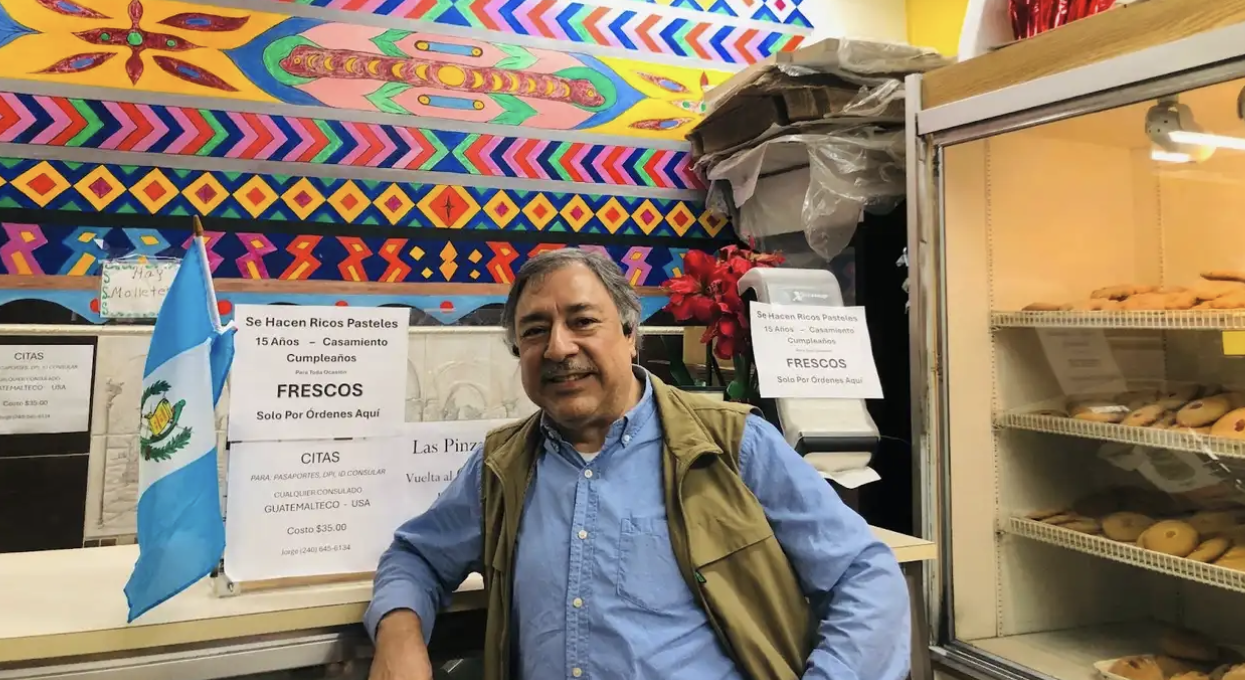
Miami’s booming Latino small-business scene is often celebrated as evidence of economic success, but Shires argues is a deeper structural failure. Drawing on labor-market and banking data, she shows how U.S. immigration law and financial institutions restrict Latino immigrants’ access to stable employment and affordable credit, steering them into undercapitalized entrepreneurship. Rather than a pathway to upward mobility, small business ownership often becomes a survival strategy.
The Power of Rhetoric: ICE, Dehumanization, and Immigration Law
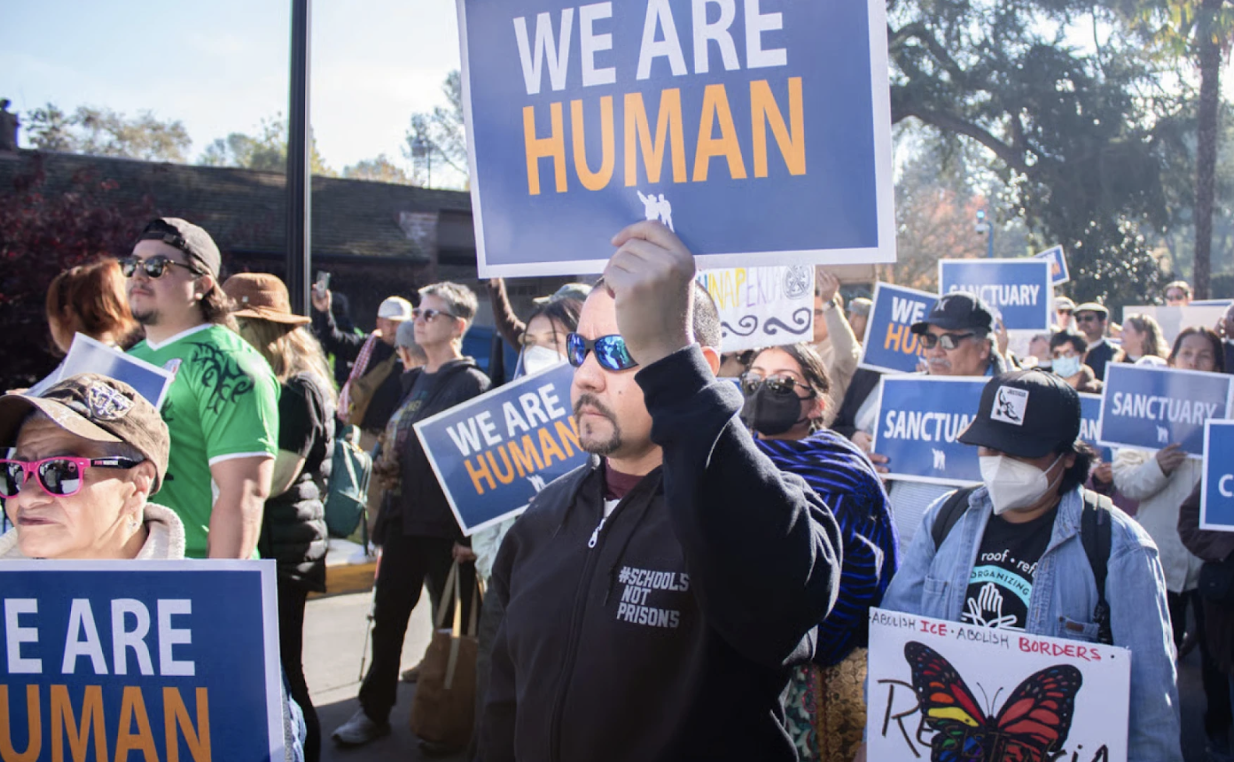
Current immigration enforcement policy has been characterized by violence, death, and dehumanizing rhetoric. This is merely the beginning. Through the lens of the Holocaust, Sofia Freitas (CC’29) analyzes the parallels between Nazi Germany and the Trump Administration’s anti-immigration rhetoric to examine how language is used to strip undocumented individuals from their humanity. Ultimately, Freitas urges the reader to resist the normalization of dehumanizing ideologies and to defend the human dignity of undocumented individuals.

Has the Colombian State Made Peace with its Rural Population?
52 years of massacres, drug trafficking, kidnappings, internal displacement and dispossession in rural Colombia were expected to come to an end after the signing of the historic 2016 Final Peace Agreement between the Revolutionary Armed Forces of Colombia (FARC) and the Colombian Government. Nearly ten years after the FARC laid down its weapons however, the most crucial components remain unrealized. The government has dragged its feet in implementing rural reform, argues Violeta Reyes (CC '28), particularly in its Rural Development Projects meant to address the socioeconomic inequalities between urban and rural areas in the country. Violence in Colombia is on the rise, and the areas that once had the greatest FARC presence continue to be the most vulnerable.
Letter from the Editor: An Indictment of Maduro’s Authoritarianism
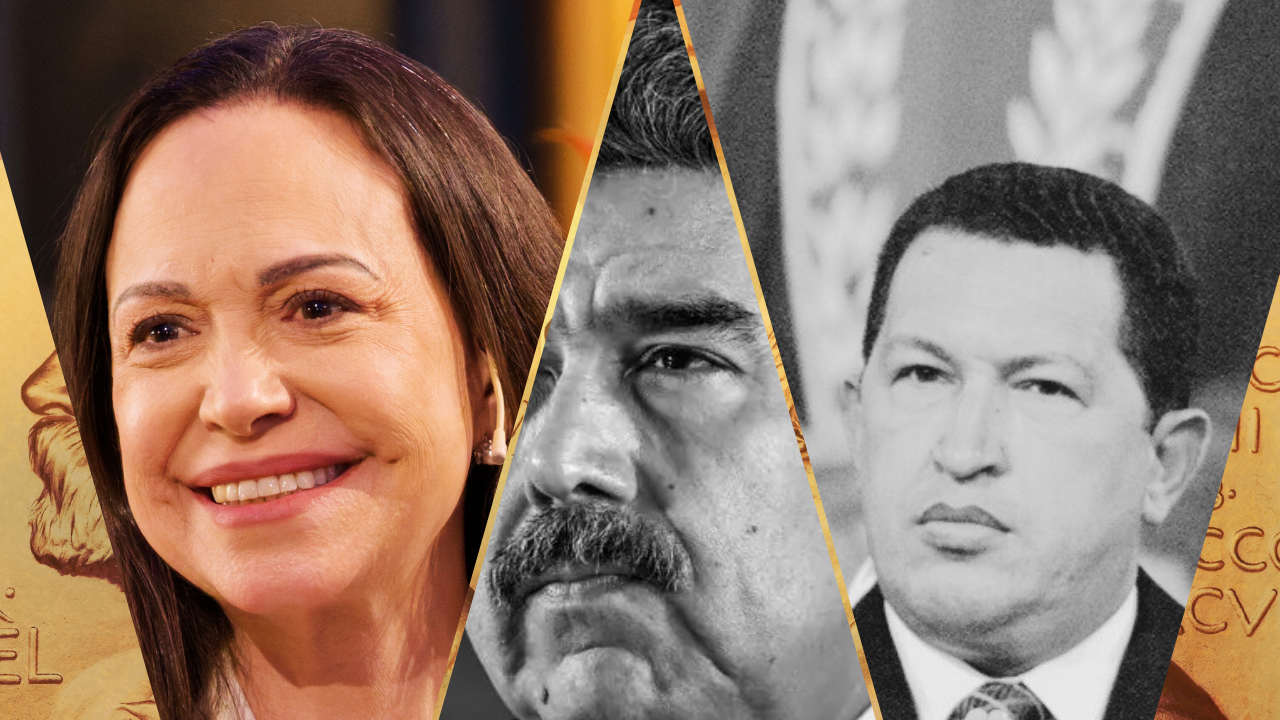
Following the capture of Nicolás Maduro, this Letter from the Editor examines how authoritarian power survives through law, institutions, and moral asymmetry. José Caballero traces Venezuela’s opposition from the failures of 2019 to the evidentiary rupture of the 2024 election and argues that proving electoral fraud was necessary — but insufficient — to dismantle a regime shielded by constitutional manipulation and impunity. Caballero closes by confronting the urgent question now facing Venezuela and the international community: when, if ever, can foreign intervention be compatible with democratic restoration?

The U.S. Patent Pro Bono Program and the Limits of Inclusive Innovation
Upholding intellectual property rights is essential for global economic growth and innovation, yet socioeconomic gaps in the U.S. patent system prevent many people from protecting their intellectual property, hindering innovation, economic potential, and systemic equality. With wealth, gender, and race dictating who gets to be the face of technological advancement in the United States, improvements to the patent system must be implemented to narrow these gaps and broaden access to innovation.
Independence for Puerto Rico: The Only Just Solution to 127 Years of Human Rights Abuses
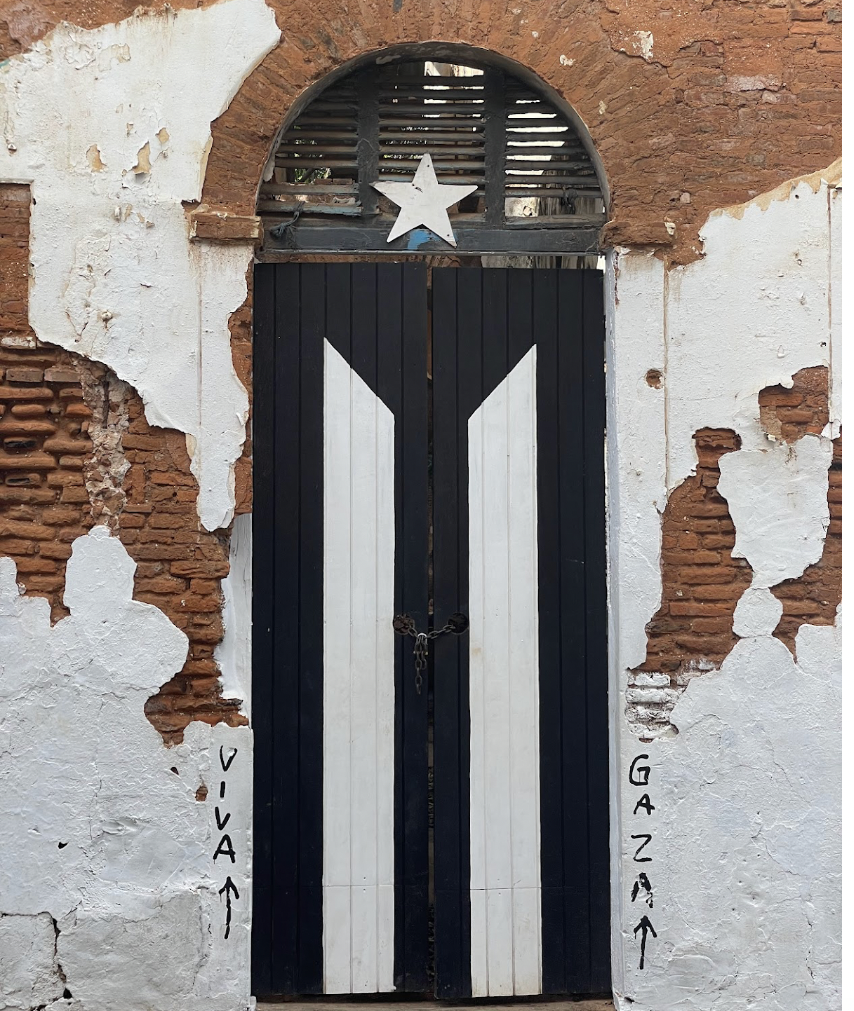
The United States has violated Puerto Ricans’ human rights over 127 years of colonial rule. Juan F. Rosado Del Ríos (CC ’29) applies the United Nations Universal Declaration of Human Rights as a framework to argue that independence — not a solution, but the solution — is required to secure self-determination and prevent the erasure of Puerto Rico’s political culture and identity.

Let Them Become Superior: When Medicine Creates a Hierarchy
Gene therapy was created to treat disease, but in the United States it may end up widening inequality. This research brief explores how a life-saving technology is becoming available only to those who can afford it. Extremely high costs and limited insurance coverage place gene therapy out of reach for most low- and middle-income Americans. New legislation, including the One Big Beautiful Bill Act, could further limit access by reducing government support meant to make these treatments more affordable.

The Sky Is Free, But the Flight Isn’t
Students at Columbia encounter the same symbolic promise of opportunity, yet access to that opportunity varies widely. Differences in social capital, assimilation pressures, and engagement with the Core Curriculum shape unequal experiences of burnout and belonging. For first-generation and low-income students, upward mobility requires the deliberate construction of resources that others inherit.
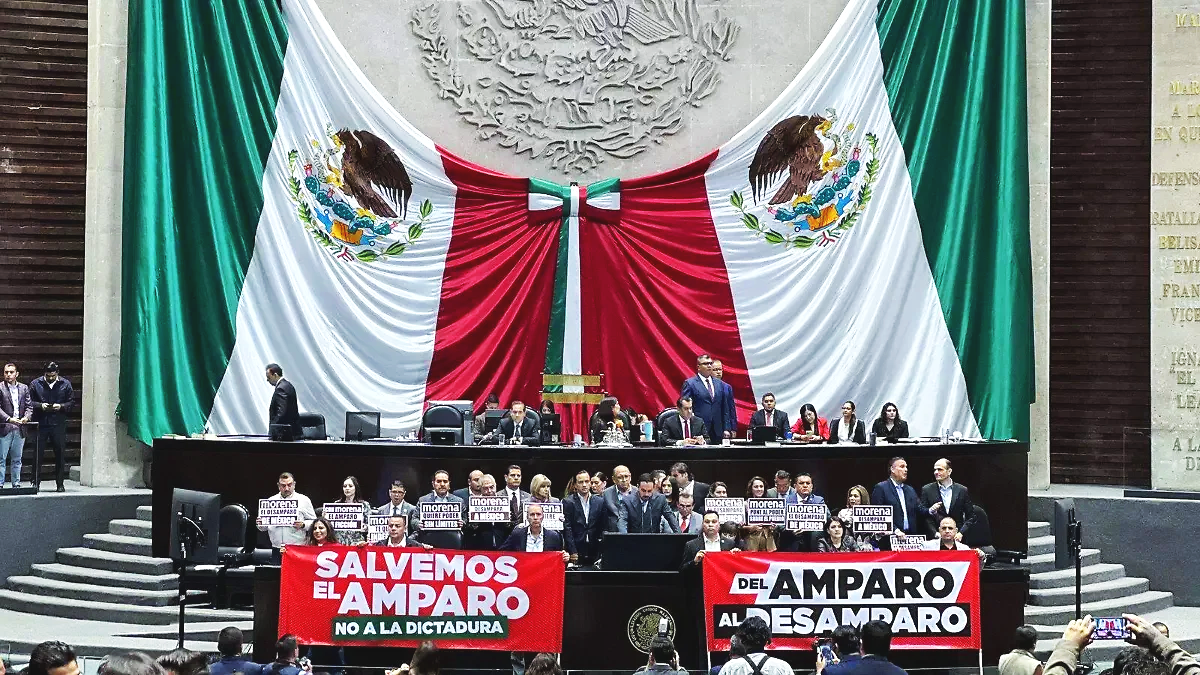
Changes to Mexico’s Amparo: What Can a Citizen Do When the Government Doesn’t Listen Anymore?
In Mexico, the amparo has long served as one of the few tools citizens can use to defend themselves against government abuse. But recent reforms pushed by Morena threaten to weaken this safeguard at a moment when journalists and activists already face extreme violence. These changes make it harder to seek protection, easier for authorities to ignore the law, and ultimately risk eroding one of the last checks on political power. Understanding these reforms is essential if we care about protecting democratic rights. Weakening the amparo doesn’t make the system faster or more modern. It simply makes citizens more vulnerable and the government more powerful.
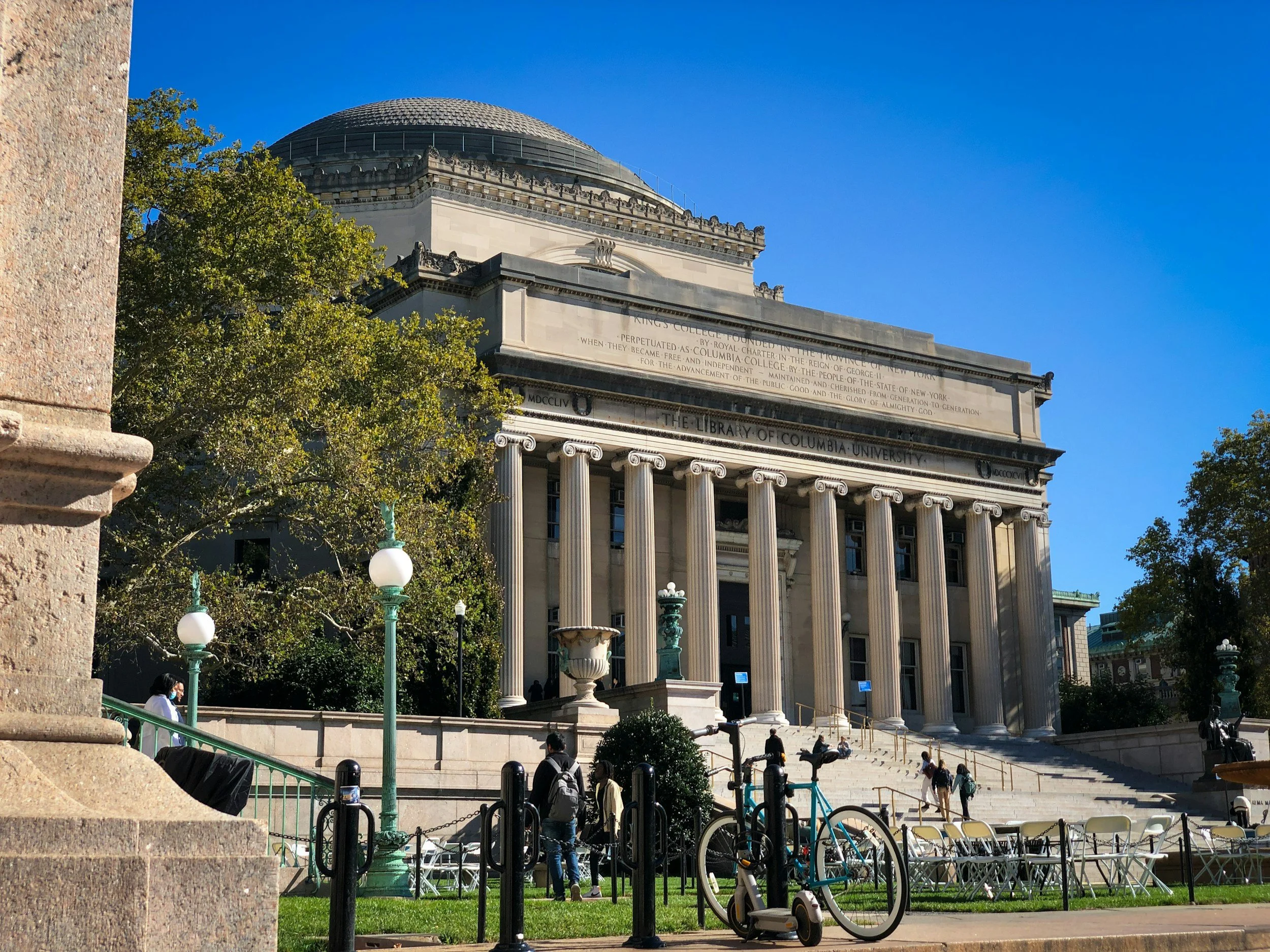
Columbia Hispanic Pre-Law Review (HPLR) Announces Winner of 2025 High School Essay Competition
NEW YORK, Sep. 26, 2025 – The Columbia Hispanic Pre-Law Review (HPLR) is an undergraduate publication dedicated to publishing legal scholarship. Today, HPLR announced the winner of its 2025 High School Essay Competition: Sanvi Das of Clarksburg High School. Sanvi will receive a monetary prize and a feature on HPLR’s online platform.
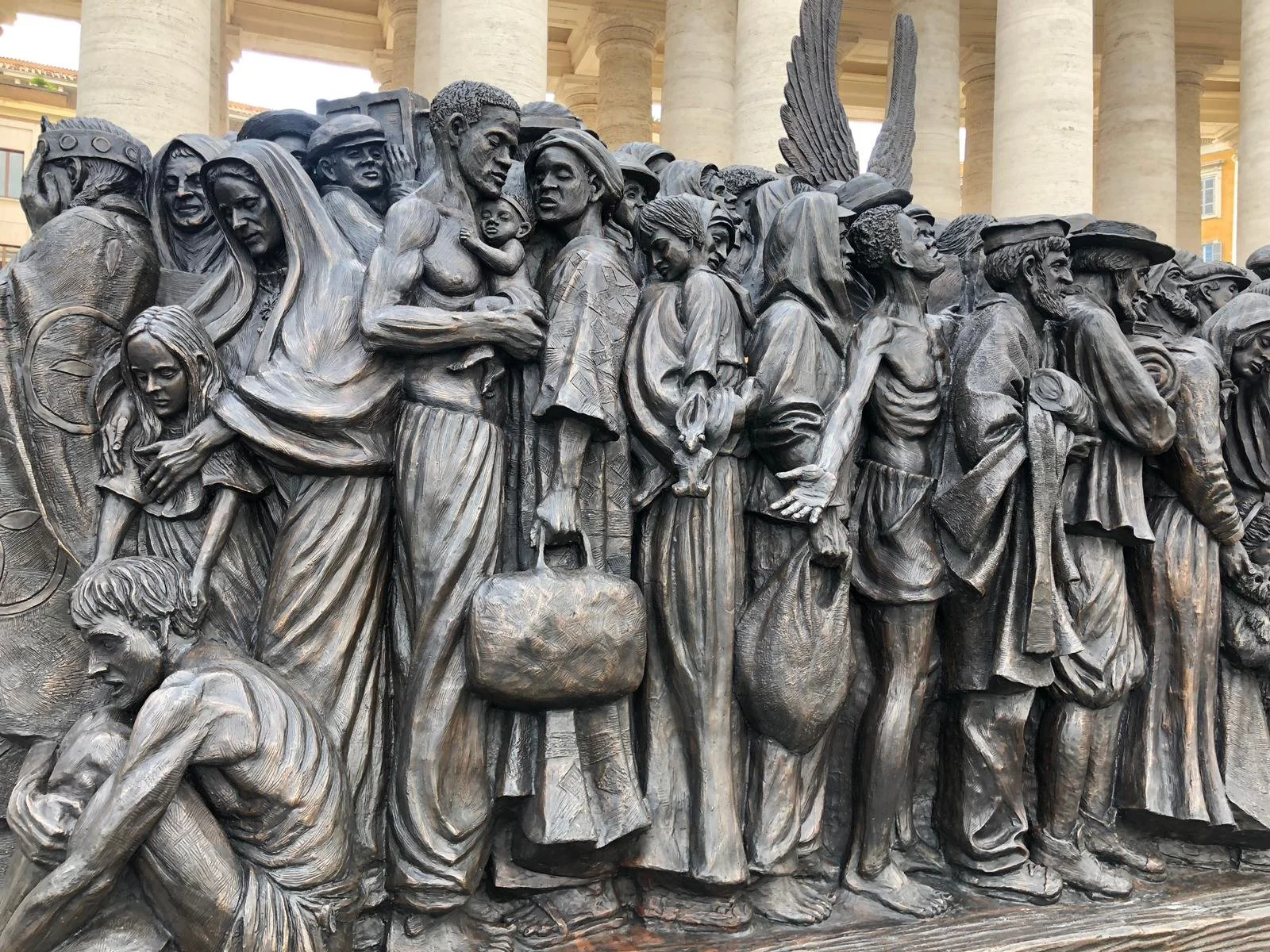
Immigrants and the American Promise: Labor Rights and Reform
In an op-ed, Sanvi Das examines immigration law by using both contemporary examples and historical precedents. Her argument is clear: lawmakers need to establish an immigration system as dependable as the undocumented immigrant workers who keep it running. She concludes that undocumented immigrants deserve the rights of “life, liberty, and the pursuit of happiness” – and “human dignity,” she adds. Read more about it in the link below.

The Columbia Core Curriculum Depends on Us, But It Wasn’t Made for Us
In an op-ed, Savannah Botello, CC ’27, examines the politics of Columbia’s Core Curriculum. Reflecting on her experience in Contemporary Civilization, she argues that despite updates to the syllabus, the course continues to rely on students of color to interpret the readings for their white peers. She leaves readers with a pressing question: Who is Contemporary Civilization really meant to educate?

Torn Between Two Flags
In an op-ed, Jazzlee Cerritos (CC ‘28) writes about the meaning of identity and culture for first-generation students. For her, the first-generation experience means enduring an identity tension between two cultures: one’s origin (“the motherland”) and one’s country of birth. She argues that a person shouldn’t choose between one country or another. Instead, she believes in the coexistence of both cultures. The op-ed delves into epistemological questions of identity and culture and offers a fresh perspective on the first-generation experience. Jazzlee leaves the reader with an important question: what does it mean to be an American? Or in her case, Salvadoran-American?
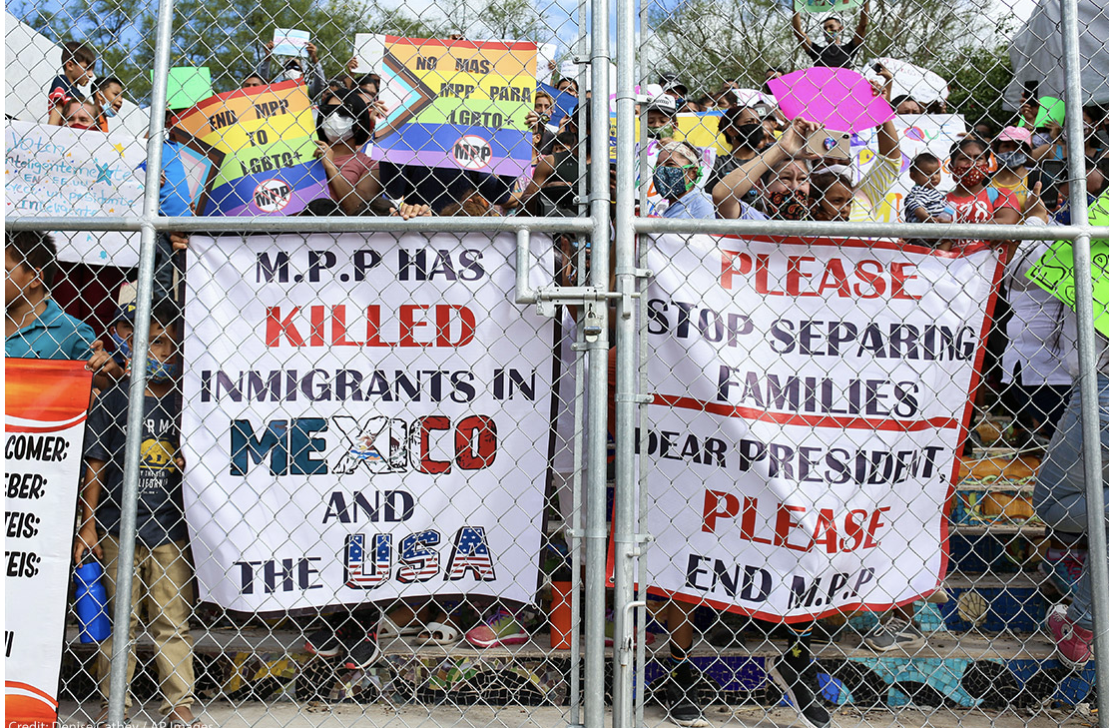
The Human Rights Framework’s Illegitimate Child: How the Migrant Protection Protocols Violated Asylum Seekers' Rights
This policy analysis examines how the Migrant Protection Protocols (MPP), enacted by the Trump-Pence Administration in 2019, violated international human rights obligations despite claims of legal compliance. The MPP violated the principle of non-refoulement, denied effective access to legal representation, and facilitated family separation. Its implementation exposes critical gaps in the human rights framework that allow states to maintain the appearance of compliance while evading their obligations.

Together — Building Pathways for the Next Generation
The Hispanic Pre-Law Society (HPLS) was established with the mission of disseminating pre-law resources and equipping the next generation of leaders, attorneys, Supreme Court clerks, policy-makers, and professionals in the legal field…

Letter from the Editor: Inaugurating HPLR
A Letter from the Co-Editor-in-Chief, José Caballero…

Letter from the Editor: On the Establishment of the HPLR Editorial Board
A letter from the Co-Editor-in-Chief, Mariley Melo